Operational Intelligence
Redesign how the business operates.
WON embeds senior teams inside the business to understand how work actually gets done, redesign how it should work, and build the agents, automation, decision systems, and infrastructure behind the new operating model.
The discipline behind AI operations.
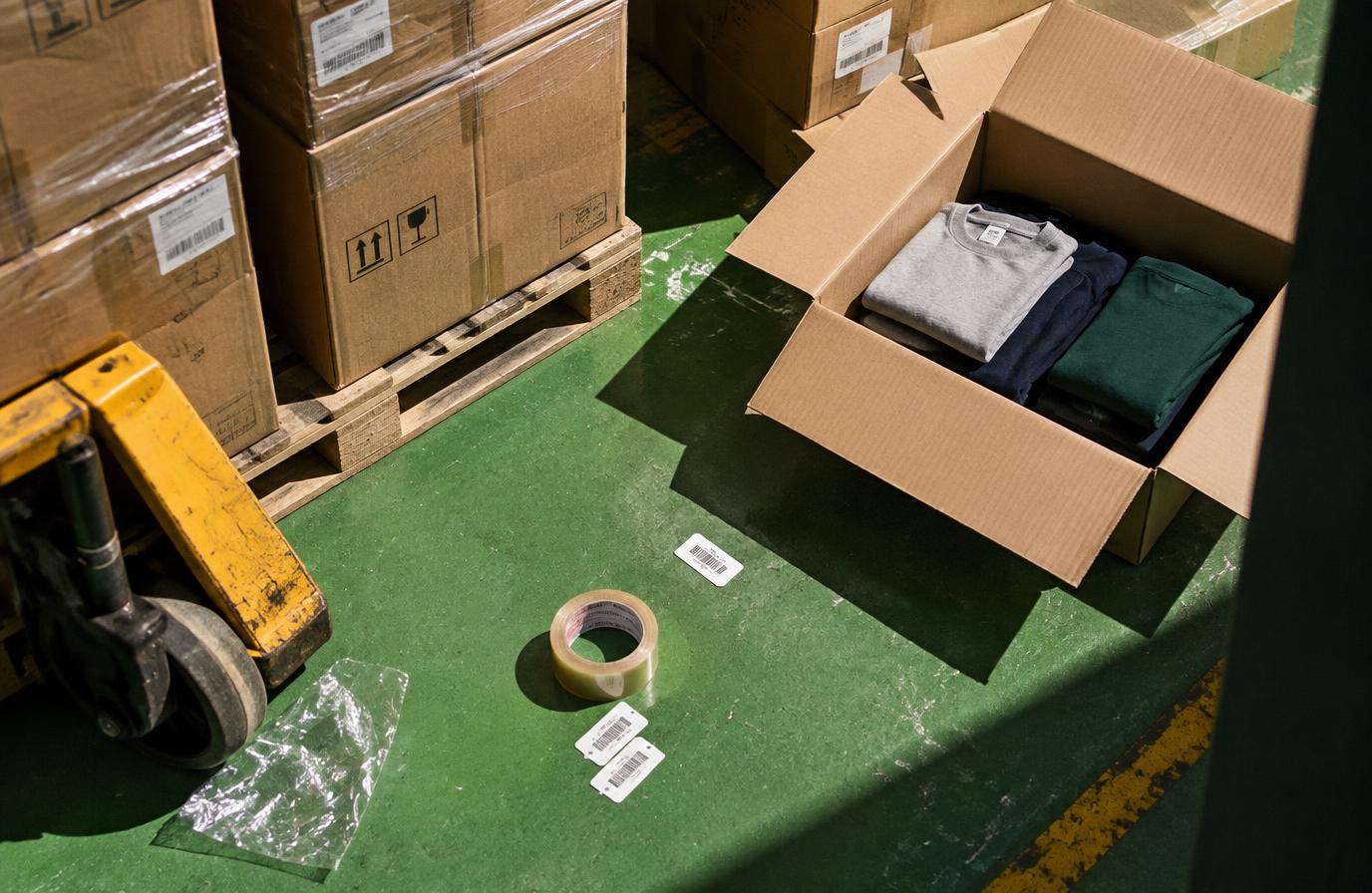
Don't automate a bad operating model.
Most companies approach AI by looking at existing workflows and asking what can be automated. That is usually the wrong starting point.
Processes, roles, approvals, systems, and reporting structures were designed around the limits of the people and technology available when they were created. Those limits have changed. The opportunity is not to make the existing operation faster. It is to rethink how the operation should work at all.
Automation is an outcome. Not the strategy.
The discipline
Operational Intelligence is WON's discipline for understanding, redesigning, building, and continuously improving how work gets done across the business.
Understand workflows, people, systems, economics, decisions, dependencies, and constraints.
Identify where time, margin, capacity, intelligence, and performance are being lost.
Reimagine how the operation should work, without assuming today's workflow survives.
Create the agents, automation, applications, decision systems, and integrations required.
Measure performance and continuously improve the operation.
Where it applies
Every function has an operating model.
Operational Intelligence can enter any function of the business and redesign how that function works. These are examples, not service boundaries.
Marketing operations
- Campaign development
- Media operations
- Content production
- Creative workflows
- Marketing intelligence
Customer operations
- Service and support
- Knowledge
- Escalation
- Quality
- Agent assisted servicing
Merchandising and commerce
- Assortment
- Pricing and promotion
- Catalog operations
- Product information
- Inventory signals
Finance and business operations
- Reporting
- Forecasting
- Reconciliation
- Planning and analysis
- Approvals
People and knowledge
- Knowledge management
- Internal search
- Training
- Onboarding
- Policy
Executive and decision operations
- Decision support
- Performance visibility
- Planning
- Scenario analysis
- Cross functional coordination
Redesign first. Then build.
Once we know how the operation should work, WON builds and integrates the systems required to run it.
Agents that perform defined operational work, retrieve information, and take action across systems.
Deterministic and AI enabled workflows that remove unnecessary manual work.
Synthesize information, identify patterns, recommend actions, support better decisions.
Structured organizational knowledge that people and agents can actually use.
Purpose built interfaces and tools designed around the new workflow.
Connections across agents, systems, data, people, and approvals, running securely and reliably.
You can't redesign an operation from the outside.
WON embeds experienced practitioners with the people who run the business. We see the exceptions, the workarounds people invented to compensate for broken systems, and the places decisions quietly slow down.
Then we redesign the operation with the people accountable for it.
Work directly alongside the people running the operation.
See the real workflows, systems, decisions, bottlenecks, and workarounds.
Determine how the operation should work now.
Create the technology required to make it real.
Senior by design.
Our senior strategists, operators, architects, and engineers stay inside the work. AI increases what they can see, design, and build, rather than filling the engagement with layers underneath them.
Directly involved in the operation and the work.
Technology increases the capability of exceptional people.
The best technology for the problem, not the technology we need to sell.
The best technology for the problem.
Not the technology we need to sell you.
Sometimes the right answer is an emerging AI native vendor. Sometimes it is integrating the enterprise systems already in place. Sometimes it is building something custom. Often it is a combination. We stay independent and design the architecture around the business problem.
Value Mechanics
Find where the operation is leaving value behind.
We prioritize by value created, not by which workflow is easiest to automate.
How much valuable human capacity can be redirected.
How much faster work can move.
Whether the economics of the function can fundamentally change.
Whether better information creates better outcomes.
Whether the operation can create, protect, or structurally improve profit.
Whether output can grow without proportional headcount, error, or fragility.
We don't hand you the roadmap.
The same senior team that gets inside the operation stays involved through redesign, build, measurement, and optimization.
Understand
Get inside the operation.
Find value
Where economics, capacity, speed, or intelligence can change.
Reimagine
How the operation should work now.
Design
The workflows, systems, agents, and human roles.
Build
Implement and integrate the technology.
Optimize
Measure performance and continuously improve.
Measured in operational leverage.
- Lower cost to serve
- Greater team capacity
- Faster cycle times
- Higher output
- Better decision quality
- Less manual work
- Improved margin
- Greater scalability
Where we work
Retail
Storefronts, merchandising, and operations that compound margin.
Hospitality
Guest journeys and service operations designed around repeat stays.
Travel
Booking, disruption, and loyalty moments that decide the trip.
Financial Services
Onboarding, servicing, and trust built into every interaction.
CPG
Brand, channel, and demand systems across retail and DTC.
Apparel
Assortment, fit, and seasonality handled as one decision system.
Direct to Consumer
Acquisition, retention, and contribution margin in one model.
Mortgage Lenders
Application, underwriting, and borrower experience redesigned.
Private Equity
Value creation across the portfolio, from diligence to exit.
Frequently asked